


Hostel Life at Sapkal Knowledge Hub: What New Students Should Know
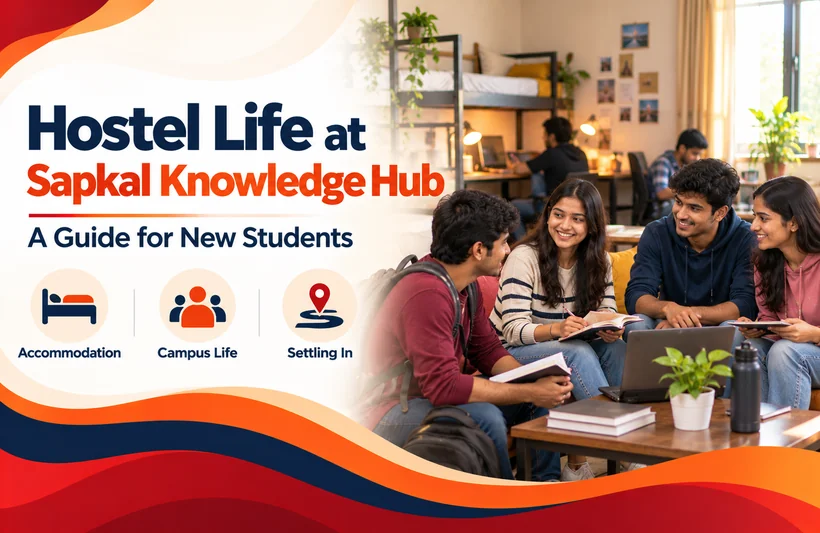
Hostel Life at Sapkal Knowledge Hub: What New Students Should Know
Moving into a college hostel is an important milestone for students beginning their higher education journey. It offers an opportunity to develop independence, build friendships and learn to manage everyday responsibilities.
For students coming to Nashik from other cities or towns, understanding accommodation facilities and daily hostel life is an important part of college preparation.
Sapkal Knowledge Hub (SKH), Nashik, provides separate hostel facilities for boys and girls within its educational campus.
This guide explains the available hostel information, important considerations for new students and practical tips for adjusting to residential college life.
1. Hostel Accommodation at Sapkal Knowledge Hub
Sapkal Knowledge Hub is located at Kalyanii Hills, Anjaneri-Wadholi, Trimbakeshwar Road, Nashik.
The official campus website confirms separate hostel accommodation for boys and girls.
Hostel facilities are intended to support students who require accommodation while pursuing their education.
Students should enquire about current vacancies, allotment procedures and accommodation charges before applying.
2. Understanding Room Arrangements
Choosing suitable accommodation is important for both comfort and academic routines.
Late G. N. Sapkal College of Engineering's official facilities page describes hostel rooms provided on a sharing basis with necessary furniture and amenities.
However, room arrangements and availability may vary.
Students should confirm the current occupancy, furniture and room-allotment arrangements directly with the hostel administration.
3. Dining and Food Facilities
Food arrangements are an important consideration for students living away from home.
The Sapkal Knowledge Hub website identifies dining facilities among its campus amenities.
Students should ask the hostel administration about meal plans, dining schedules, food charges and applicable arrangements.
Those with dietary restrictions should clarify available options before admission.
4. Safety and Hostel Guidelines
A safe living environment is essential for residential students.
Parents and students should review the hostel's current security procedures and emergency-contact arrangements.
Important questions include visitor policies, reporting procedures, entry and exit timings and available residential supervision.
Students should follow the rules officially communicated by the hostel administration.
5. Academic Routine and Study Habits
Hostel life requires students to balance college lectures, assignments, examinations and personal responsibilities.
Creating a regular study timetable can help students maintain consistency.
Shared accommodation also requires consideration for roommates who may have different academic schedules.
Students should discuss suitable study arrangements and minimise unnecessary disturbances.
6. Making Friends and Building Connections
Living in a hostel provides opportunities to interact with students from different backgrounds.
Sharing everyday experiences can help students develop communication and teamwork skills.
Respectful interactions and consideration for others are important for maintaining positive relationships.
Students should also feel comfortable seeking help when difficulties arise.
7. Learning Independence and Responsibility
Hostel life introduces new responsibilities beyond academic work.
Students may need to manage personal belongings, organise their schedules and monitor everyday expenses.
Learning to maintain cleanliness, follow routines and manage time can support personal development.
These habits are useful throughout college and later professional life.
8. Managing Time Effectively
College students often balance lectures, practical sessions, assignments and examinations.
A daily schedule can help organise academic and personal activities.
Students should allow enough time for study, meals, rest and appropriate recreation.
Avoiding unnecessary distractions can improve concentration and consistency.
9. Health and Personal Well-Being
Maintaining personal well-being is important during hostel life.
Students should develop regular sleeping habits, maintain hygiene and make time for suitable physical activity.
Sapkal Knowledge Hub's website lists healthcare and sports among its campus facilities.
Students should confirm current healthcare support arrangements and emergency procedures with the relevant authorities.
10. Exploring Sports and Campus Activities
College life extends beyond classrooms and hostel rooms.
Sapkal Knowledge Hub provides sports-related campus facilities, while individual institutes organise different student activities.
Participation in suitable activities can encourage teamwork and social interaction.
Students should check which facilities and programmes are accessible to them.
11. Staying Connected With Family
Moving away from home may require an adjustment period.
Regular communication with parents or guardians can help students share their experiences and discuss concerns.
Students should also develop confidence in handling everyday responsibilities independently.
A balance between family communication and participation in campus life can support the transition.
12. Respecting Roommates and Shared Spaces
Shared accommodation requires cooperation and mutual respect.
Students should keep common areas organised and avoid using others' belongings without permission.
Respecting privacy, personal boundaries and study routines helps create a comfortable residential environment.
Any unresolved concerns should be raised through the hostel's official reporting procedure.
13. Essential Items for New Hostel Students
Students can prepare a basic checklist before moving into the hostel.
Useful personal items may include:
-
College admission and identity documents
-
Clothing and personal essentials
-
Toiletries and hygiene products
-
Study materials and stationery
-
Prescribed personal medicines
-
Mobile phone charger
-
Emergency contact information
Students should confirm the hostel's permitted-items list before bringing electrical appliances or other restricted belongings.
14. Questions to Ask Before Hostel Admission
Students and parents should clarify important accommodation details before confirming a room.
| Important factor | What to confirm |
|---|---|
| Availability | Current hostel vacancies |
| Accommodation | Room-sharing and allotment arrangements |
| Fees | Complete hostel and mess charges |
| Dining | Meal timings and applicable plans |
| Safety | Security and emergency procedures |
| Rules | Visitor and entry-exit regulations |
| Facilities | Furniture, laundry and permitted amenities |
| Medical support | Current healthcare and emergency arrangements |
The hostel administration should provide the latest applicable information.
15. Explore Sapkal Knowledge Hub Hostel Facilities Online
Sapkal Knowledge Hub provides a virtual campus tour that includes separate views of the boys' and girls' hostels.
Prospective students and parents can use this feature to gain an introductory understanding of the campus.
The official campus gallery also includes photographs categorised under hostel facilities.
Photographs and virtual tours are useful references, but current room conditions and availability should be confirmed directly.
16. Preparing for Your First Week in the Hostel
The first week of hostel life is an opportunity to become familiar with the campus environment.
Students should identify important locations such as their academic department, hostel office, dining facilities and relevant student-support services.
They should also understand hostel guidelines and learn how to contact authorised staff when needed.
Organising belongings, following a consistent routine and interacting respectfully with roommates can make the transition easier.
Conclusion
Hostel life is an important part of the college experience for students living away from home.
At Sapkal Knowledge Hub, the official website confirms separate boys' and girls' hostel facilities, dining arrangements and access to wider campus amenities.
New students should verify accommodation availability, charges, hostel rules and current services before admission.
With appropriate preparation, responsible habits and a balanced routine, students can approach hostel life with greater confidence.
Frequently Asked Questions
1. Does Sapkal Knowledge Hub provide hostel facilities?
Yes. The official website confirms separate hostel facilities for boys and girls on the campus.
2. Are hostel rooms shared?
Late G. N. Sapkal College of Engineering's facilities information describes sharing-based hostel accommodation. Current room arrangements should be confirmed with the administration.
3. Are dining facilities available at Sapkal Knowledge Hub?
Yes. The main campus website lists dining facilities. Students should confirm current meal arrangements and charges.
4. How can students check hostel facilities before admission?
Students can explore the official gallery and virtual tour or contact the administration for a campus visit.
5. What should new hostel students bring?
Students should prepare academic documents, personal essentials, toiletries, study materials and other permitted belongings.
6. Where can students enquire about hostel availability?
Students can contact Sapkal Knowledge Hub through its official website or campus administration for current hostel information.