

Why Sports and Cultural Activities Matter in Higher Education
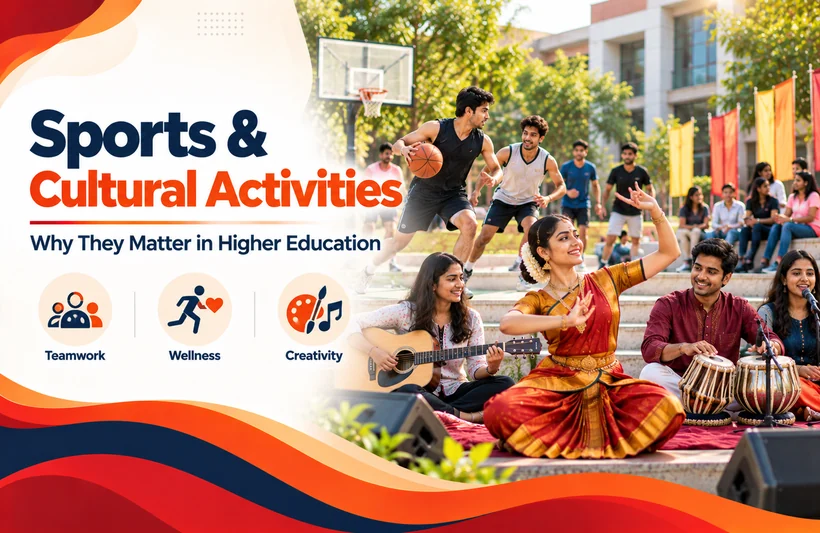
Why Sports and Cultural Activities Matter in Higher Education
Higher education is not limited to lectures, assignments and examinations. College also provides opportunities for students to develop confidence, friendships, leadership abilities and personal interests.
Sports and cultural activities in higher education play an important role in supporting students' physical, social and personal development.
At Sapkal Knowledge Hub, Nashik, academic education is complemented by campus facilities and extracurricular opportunities documented across its institutions.
This article explains why sports, cultural events and student participation are valuable aspects of college life.
1. Importance of Sports in Higher Education
Sports encourage physical activity, fitness and healthy habits among college students.
Activities such as team games and individual sports also provide opportunities to develop coordination, discipline and perseverance.
The World Health Organization and UNESCO recognise the importance of physical activity for health and well-being.
Students should select activities appropriate to their abilities, interests and health circumstances.
2. Supporting Physical and Mental Well-Being
Regular physical activity can benefit physical fitness and psychological well-being.
Sports may also help students manage everyday stress and build confidence.
Participation does not have to involve competitive tournaments to be valuable.
Recreational activity, appropriate exercise and participation in college sports can all contribute to an active lifestyle.
3. Developing Teamwork and Cooperation
Team sports require participants to communicate, coordinate and work towards shared goals.
Students learn to understand different responsibilities, cooperate with teammates and respect agreed rules.
These experiences can support collaborative skills that are also useful in academic projects and professional environments.
4. Building Discipline and Time Management
Sports participation often involves practice schedules, preparation and regular commitment.
Students who balance sports with academics can practise planning and managing responsibilities.
Developing consistent routines may also support organisational skills.
Academic commitments and sufficient rest should remain important priorities.
5. Encouraging Leadership Skills
Sports teams and student events can create opportunities for leadership.
Students may take responsibility for organising activities, coordinating participants or supporting teammates.
These experiences help them practise decision-making, accountability and communication.
Leadership can develop through both formal positions and everyday participation.
6. Role of Cultural Activities in College Life
Cultural activities give students opportunities to explore creativity and express themselves.
Programmes may include music, dance, theatre, art, literary events and other forms of cultural participation.
They allow students to discover interests beyond their academic subjects.
Cultural activities can also make the college experience more engaging and memorable.
7. Improving Communication and Confidence
Participating in performances, presentations and event coordination can help students practise speaking and interacting with others.
For example, organising a programme may involve discussing plans, introducing participants or coordinating a team.
Repeated participation can help students gain confidence in unfamiliar situations.
8. Encouraging Creativity and Innovation
Cultural events provide opportunities for creative expression and experimentation.
Students may contribute ideas to performances, visual designs, event themes or promotional materials.
These experiences encourage independent thinking and collaborative problem-solving.
Creativity is useful across technical, scientific, business and artistic fields.
9. Promoting Cultural Understanding
College communities bring together students from different backgrounds and experiences.
Cultural programmes can provide opportunities to learn about different traditions, languages and forms of expression.
Respectful participation encourages understanding and a sense of belonging.
Inclusive activities help students interact beyond their immediate academic groups.
10. Building Friendships and Social Connections
Extracurricular activities can help students meet peers with similar interests.
Working together on sports teams or cultural programmes creates opportunities for cooperation and shared experiences.
Positive social connections can contribute to a more supportive college environment.
Students should be encouraged to participate voluntarily and in ways that suit their interests.
11. Learning Through Event Organisation
Organising college activities requires planning, communication and coordination.
Student volunteers may help with schedules, registrations, logistics and event communication.
These responsibilities can strengthen teamwork, time management and problem-solving abilities.
Such experiences can complement academic learning.
12. Sports, Culture and Career Readiness
Employers may value relevant communication, teamwork and leadership abilities alongside professional qualifications.
Participation in sports and cultural activities can provide genuine examples of these transferable skills.
However, extracurricular participation alone does not guarantee employment or professional success.
Students should continue developing subject knowledge and appropriate technical skills.
13. Sports Opportunities at Sapkal Knowledge Hub
The Sapkal Knowledge Hub website lists sports among its campus facilities.
Late G. N. Sapkal College of Engineering also publishes a dedicated Sports Vision and Mission outlining its focus on fitness, team spirit and student participation.
The institute describes opportunities for indoor and outdoor sports, tournaments and related activities.
Students should confirm current facilities and participation arrangements with their respective colleges.
14. Cultural Events at Sapkal Knowledge Hub Institutions
Late G. N. Sapkal College of Engineering documents Astitva, its annual social and cultural gathering.
Its published cultural information describes opportunities for students to participate in music, dance, drama and other creative activities.
The institute also documents Technofest, a technical symposium involving competitions and innovation-related events.
These are documented activities of the Engineering College and should not be assumed to be identical across every Sapkal Knowledge Hub institution.
15. Student Councils and Extracurricular Participation
Student councils can play an important role in coordinating college activities.
Late G. N. Sapkal College of Engineering has a documented Student Council that represents student interests and supports event coordination.
Participation in student-led activities can help develop organisation, cooperation and leadership.
Students should explore the associations and opportunities offered by their individual institutions.
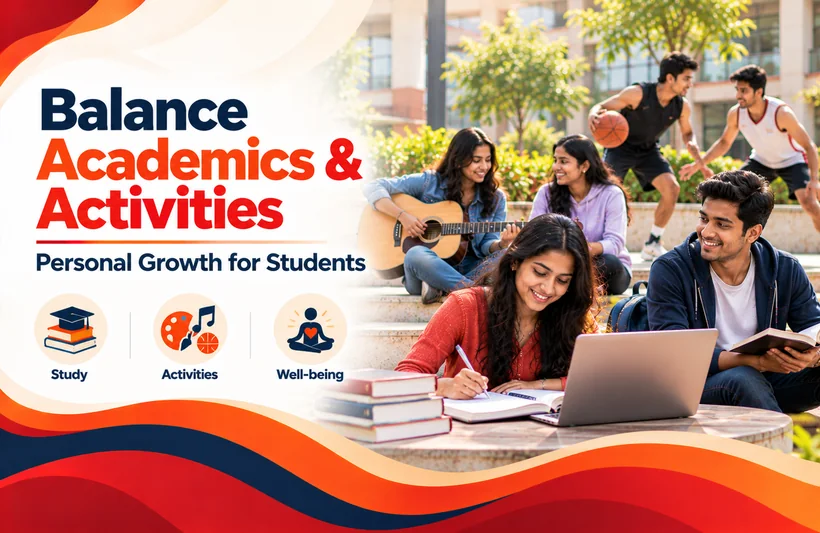
16. Balancing Academics and Extracurricular Activities
Students should maintain a healthy balance between studies and extracurricular participation.
A manageable schedule can include academic preparation, suitable physical activity, cultural interests and adequate rest.
Students should avoid overcommitting to events at the expense of their well-being or essential coursework.
Choosing a few meaningful activities can be more useful than participating in everything.
Conclusion
Sports and cultural activities are valuable parts of higher education because they can support fitness, creativity, communication, teamwork and student engagement.
Alongside academic learning, suitable extracurricular opportunities allow students to explore interests and develop practical life skills.
Sapkal Knowledge Hub's campus facilities and documented activities at its institutions reflect the place of sports and culture in the wider college experience.
Students should explore the opportunities available within their chosen institution and participate according to their interests.
Frequently Asked Questions
1. Why are sports important in higher education?
Sports support physical activity, teamwork, discipline, social connections and well-being.
2. What are the benefits of cultural activities for college students?
They provide opportunities for creativity, communication, confidence, cultural understanding and collaboration.
3. Can extracurricular activities help students prepare for careers?
They can help students develop transferable abilities such as teamwork, organisation and communication, although they do not guarantee employment.
4. Does Sapkal Knowledge Hub have sports facilities?
Yes. The official Sapkal Knowledge Hub website identifies sports among its campus facilities.
5. What cultural activities are documented at Sapkal Knowledge Hub?
Late G. N. Sapkal College of Engineering documents Astitva, its cultural gathering, along with Technofest, a technical symposium.
6. How can students balance academics and extracurricular activities?
Students can plan their schedules, prioritise academic responsibilities, allow time for rest and participate in suitable activities without overcommitting.